
Best Thermostat Settings for Comfort, Efficiency, and HVAC Longevity
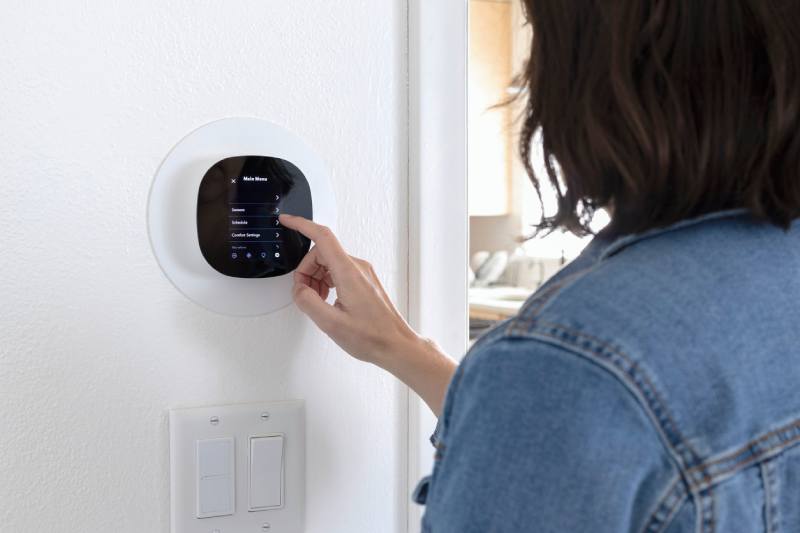
Your thermostat plays a major role in home comfort, energy costs, and the lifespan of your HVAC system. Choosing the right settings—especially in a climate like Nevada’s—can help prevent unnecessary wear on your equipment and reduce the risk of breakdowns. Understanding how thermostat settings should vary based on climate and HVAC system type allows homeowners to protect their investment and get the most value from a reliable home warranty in Nevada.
Recommended Thermostat Settings by Season
During the winter months, most HVAC professionals recommend setting your thermostat between 68–70°F when you’re home and awake. Lowering the temperature by a few degrees while sleeping or away from home reduces strain on your heating system and can lower utility bills.
In summer, a setting of 76–78°F while at home helps balance comfort and efficiency. Raising the temperature slightly when you’re away prevents your air conditioner from running continuously during peak heat hours, which is especially important in Nevada’s desert climate.
Sudden temperature swings should be avoided year-round. Constantly adjusting the thermostat forces your HVAC system to work harder, increasing wear on components such as compressors, blower motors, and heat exchangers.
Climate Considerations for Nevada Homes
Nevada’s climate varies widely, from hot desert conditions in southern regions to colder winters in higher elevations. In hotter areas, maintaining consistent thermostat settings helps reduce stress on air conditioning systems during extreme heat. In colder climates, gradual temperature adjustments help prevent heating system overuse.
Low humidity in many parts of Nevada can also affect comfort. Homeowners may feel comfortable at slightly lower heating settings in winter or slightly higher cooling settings in summer, allowing for energy savings without sacrificing comfort.
Thermostat Settings Based on HVAC System Type
Different HVAC systems respond differently to thermostat adjustments. Gas furnaces perform best with steady temperature settings, as frequent on-and-off cycling can shorten their lifespan. Heat pumps, which are common in milder climates, are most efficient when maintaining consistent temperatures rather than large setbacks.
Homes with smart thermostats can benefit from programmed schedules that automatically adjust temperatures based on occupancy. These systems help prevent unnecessary runtime while keeping your home comfortable when you need it.
Older HVAC systems may require more conservative settings to avoid excessive strain. Keeping temperatures stable and scheduling regular maintenance can help extend the life of aging equipment.
Protecting Your HVAC System with a Home Warranty in Nevada
Even with optimal thermostat settings, HVAC systems can experience unexpected failures. Having a dependable home repair plan in Nevada helps cover the cost of repairs or replacement for covered heating and cooling components.
HomeGuard HomeWarranty provides homeowners with protection designed to reduce financial stress when major systems fail. As a provider of the best home warranty in Nevada, HomeGuard ensures homeowners can enjoy comfort and efficiency without worrying about costly HVAC repair bills.
Peace of Mind Year-Round – Home Warranty in Nevada
Proper thermostat use is one of the easiest ways to protect your HVAC system and maintain comfort throughout the year. When paired with a reliable home warranty in Nevada, homeowners can feel confident knowing their home systems are protected no matter the season.
