
Garbage Disposal Care: What You Can Put Down the Drain and How to Fix Common Problems
Appliance Coverage in Tennessee – Garbage Disposal Care
A garbage disposal is a convenient kitchen appliance that helps homeowners manage everyday food scraps and keep their sinks clean. However, improper use, clogged drains, and worn components can cause a disposal to jam, stop working, or develop leaks. Knowing how your garbage disposal works and how to troubleshoot common problems can help you avoid unnecessary repair costs and keep your kitchen running smoothly.
For Tennessee homeowners, understanding appliance maintenance is also an important part of protecting a household budget. Having appliance coverage in Tennessee through a home warranty plan may provide an additional layer of financial protection when covered appliances break down due to normal wear and tear, subject to the plan’s terms and limitations.
How Does a Garbage Disposal Work?
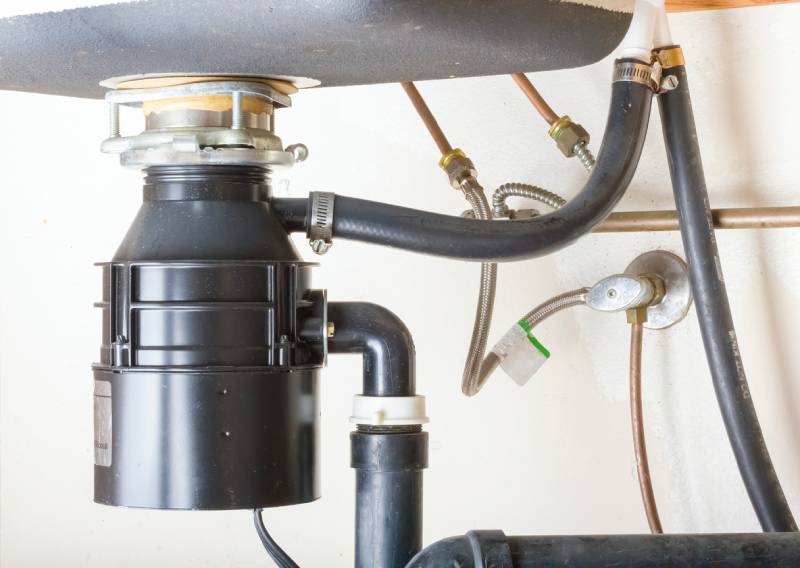
A garbage disposal is installed beneath your kitchen sink and connects to the drain. When activated, an electric motor spins a turntable equipped with rotating components that push food scraps against stationary grinding elements. The scraps are reduced into smaller particles that can flow through the plumbing with water.
Despite the name, a garbage disposal is not designed to handle every type of food waste. Using it improperly can strain the motor, create blockages, damage components, or contribute to plumbing problems.
What Can and Cannot Go Down a Garbage Disposal?
Knowing which materials are appropriate for your disposal is one of the easiest ways to prevent breakdowns.
Items generally suitable for a disposal in small quantities include:
- Small, soft food scraps left on plates
- Small pieces of cooked vegetables
- Soft fruit scraps, excluding large quantities of fibrous peelings
- Small amounts of leftover food, provided the manufacturer permits them
Run a steady flow of cold water while operating the disposal and continue briefly afterward to help flush particles through the drain.
Avoid putting these items down the disposal:
- Grease, cooking oil, and fats that can solidify in pipes
- Fibrous foods such as celery strings, corn husks, and artichoke leaves
- Large quantities of potato peels, which can form a thick paste
- Coffee grounds and eggshells in large quantities
- Pasta and rice, which can swell or contribute to clogs
- Bones, fruit pits, and other hard objects that can damage or jam components
- Nonfood materials, including plastic, metal, and paper towels
Never put your hand inside a garbage disposal, even if it is switched off. Turn off the power before inspecting or attempting any troubleshooting.
Basic Garbage Disposal Troubleshooting Tips
If your disposal stops working, a few simple checks may help identify the problem.
The disposal will not turn on. Check whether the unit is receiving power and whether the circuit breaker has tripped. Many disposals also have a reset button on the bottom of the unit. Turn the switch off before pressing it, and follow the manufacturer’s instructions.
The motor hums but the blades do not turn. This may indicate a jam. Switch off the disposal and disconnect its power before attempting any manufacturer-approved clearing procedure. Some models have a hex socket underneath that allows a compatible wrench to turn the mechanism manually. Never force the mechanism or reach inside the unit.
The disposal drains slowly. A blockage may exist in the drainpipe rather than inside the disposal. Stop operating the unit if water backs up, and avoid chemical drain cleaners that could damage components or create a safety hazard.
The disposal leaks. Water may be escaping from a sink flange, hose connection, dishwasher connection, or the disposal housing. Turn off the unit and address the leak promptly to prevent cabinet and flooring damage.
When Should You Call a Professional?
If the disposal repeatedly trips the breaker, continues humming after a jam-clearing attempt, produces burning smells, leaks from its housing, or makes unusual grinding noises, professional service may be necessary. Electrical problems and persistent plumbing blockages should not be ignored. An older disposal that requires frequent repairs may also be a candidate for replacement.
Protect Your Budget – HomeGuard HomeWarranty Home Repair Coverage in Tennessee
Unexpected appliance failures can disrupt your routine and lead to unplanned expenses. An affordable home warranty in Tennessee may help eligible homeowners manage the cost of certain covered appliance repairs or replacements.
With home repair coverage in Tennessee, homeowners should review which appliances and systems are included, applicable service fees, coverage limits, exclusions, and maintenance requirements before selecting a plan. Garbage disposal coverage varies by contract, so check the specific terms rather than assuming every malfunction is covered.
HomeGuard HomeWarranty offers homeowners an opportunity to explore home warranty options designed to help manage certain unexpected repair expenses. Visit hghw.com to learn more about available plans and determine whether appliance coverage fits your household’s needs.
With proper garbage disposal care, safe troubleshooting, and a suitable home warranty plan, you can help keep your kitchen functioning while preparing for unexpected home repair costs.

